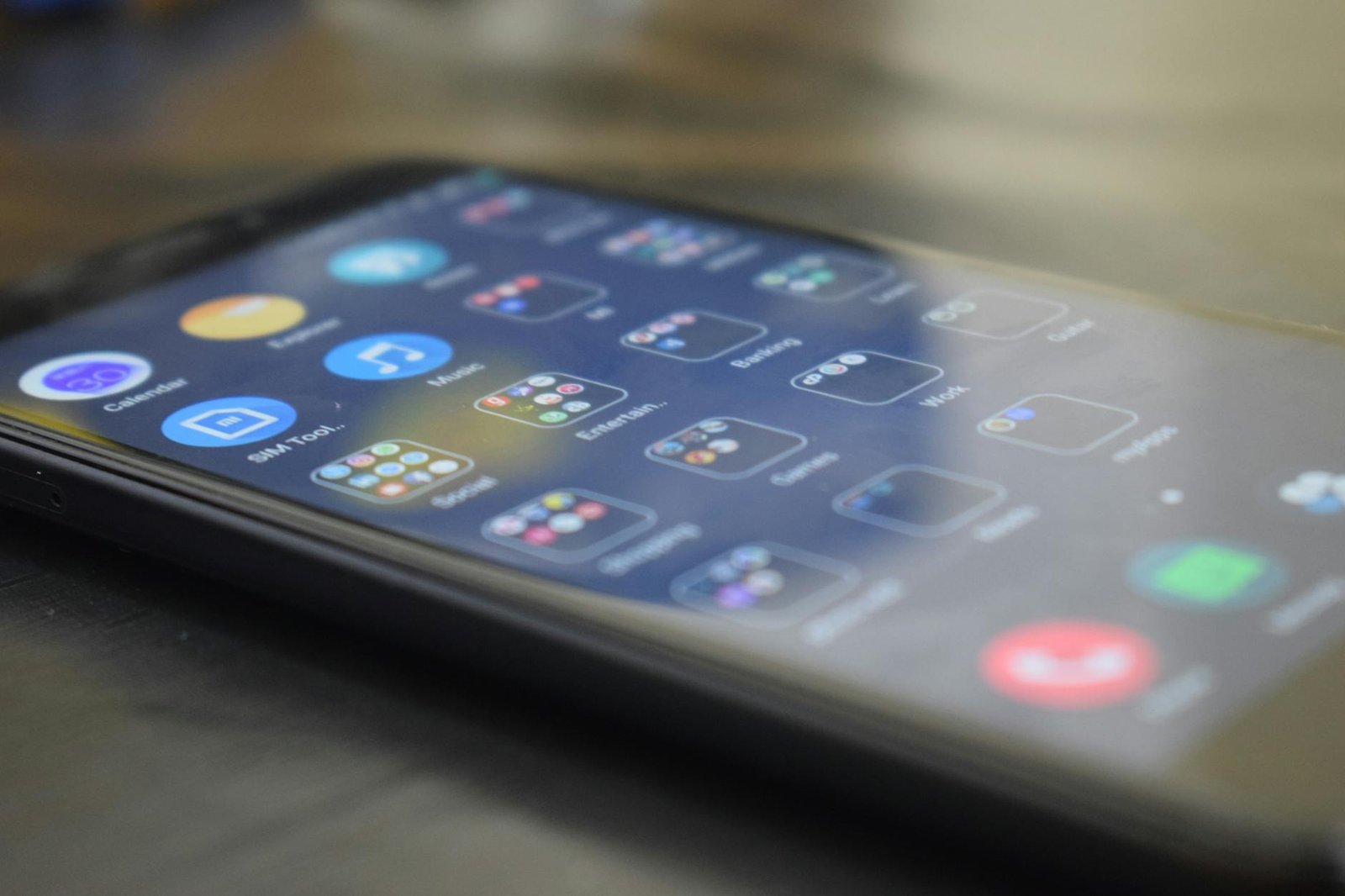
Recent observations reveal that Samsung Galaxy devices, particularly mid-range models, often come preloaded with numerous applications that users did not request. These unwanted installations can lead to performance issues and unnecessary battery drain. Tech content specialist Oluwaniyi Raji has taken a proactive stance on this issue, sharing his experience of removing bloatware and the substantial improvements that followed.
The Bloatware Dilemma
Raji's journey began when he noticed unfamiliar applications appearing on his phone, including games and shopping tools, which were automatically installed via the Galaxy Store due to its default settings. After disabling the 'auto-install over Wi-Fi' feature hidden in the app's menu, he stopped the unwanted downloads and began to examine all the other background services consuming resources on his device.
Determined to streamline his phone's performance, Raji turned to the Android SDK Platform Tools to remove applications he considered unnecessary. His first target was Bixby, Samsung's voice assistant, which he found redundant since he preferred Google Assistant. He then eliminated the Galaxy Store, which he felt provided little value beyond font updates and occasional app maintenance.
Removing Carrier Apps and Samsung Services
Carrier-specific applications like T-Mobile's Mobile Services Manager also made Raji's removal list. Despite switching carriers, this app remained on his device, fetching updates and diagnostics without his consent. Using ADB (Android Debug Bridge), he successfully removed this unwanted software, along with Samsung Free, AR Zone, and Samsung TV Plus, each of which contributed to background data usage without offering significant benefits.
The Microsoft Partnership Consideration
The preinstallation of Microsoft applications on Samsung devices also caught Raji's attention. Apps such as Outlook and LinkedIn, part of a collaboration between the two companies, seemed unnecessary, especially since they did not tightly integrate with Samsung's core features. Raji emphasized that the Google ecosystem suffices for app discovery and usage, arguing for the removal of applications that do not serve a critical function.
Evaluating Which Apps to Keep
While many pre-installed applications were removed, certain ones earned their place on Raji's device. He retained OneDrive for its integration with Samsung's Gallery app, essential for users who rely on Samsung's camera features. Other apps, like Knox Security and Samsung Keyboard, remained intact for their functional benefits and unique integrations that enhance the user experience.
Positive Outcomes
Raji's efforts led to a significant improvement in device performance. By freeing up storage space and reducing background processes, he observed enhanced battery life and smoother operation. This process not only highlights the potential drawbacks of pre-installed software on Samsung devices but also encourages users to take control of their device's performance.
As more users become aware of the impacts of bloatware on their devices, it may prompt manufacturers like Samsung to rethink their pre-installation practices, ultimately leading to a more streamlined experience for consumers. Striking a balance between offering useful features and avoiding unnecessary clutter is crucial in today's competitive smartphone market.
Quick answers
How does removing bloatware improve performance?
Removing bloatware frees up storage and reduces background processes, leading to better battery life and faster device performance.
Which apps should I consider removing?
Consider removing apps that you do not use, such as carrier-specific services and unused Samsung applications, while keeping those that integrate well with your device's core features.
Is it safe to use ADB to remove apps?
Yes, using ADB is a safe method to remove unwanted apps, but it requires some technical knowledge to execute correctly.

About the author
MJI Desk
MJI Desk covers consumer tech for MJI News.