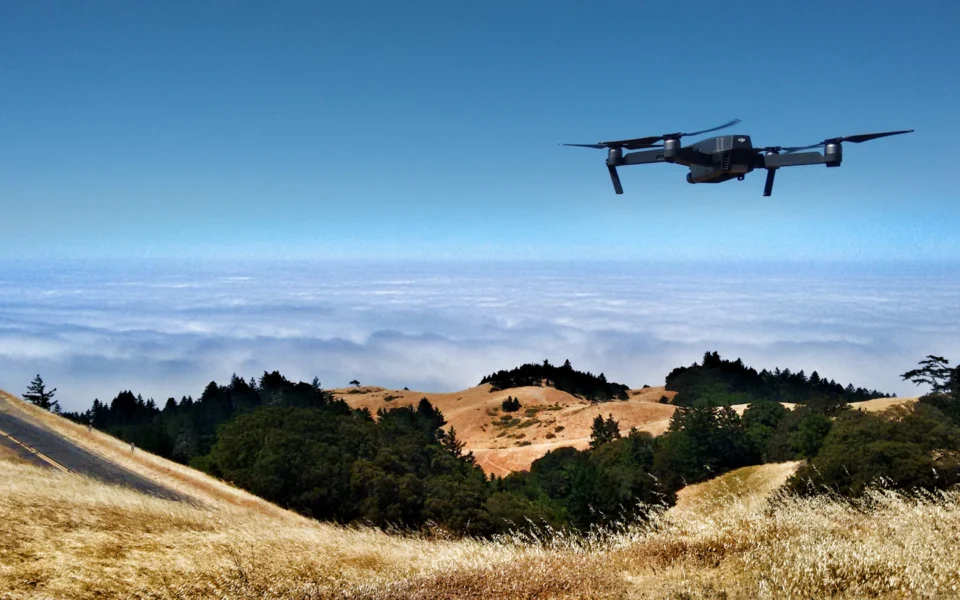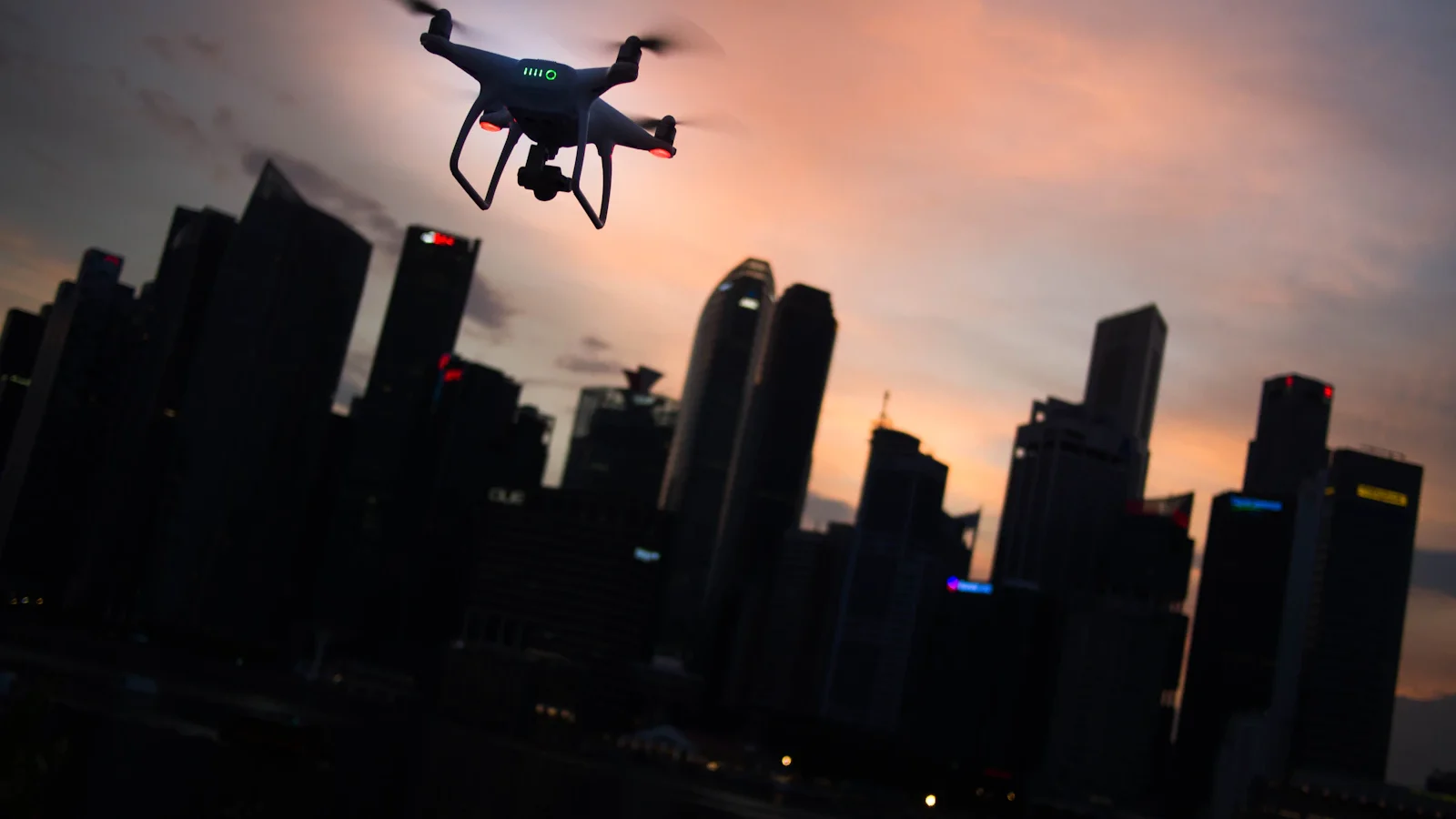
The geomatics field has transformed significantly with the launch of the DJI Air 3S, a drone featuring an innovative LiDAR navigation system. This development enables surveyors to perform nighttime surveys, eliminating the limitations imposed by sunlight and increasing operational flexibility for essential projects.
Redefining Data Capture
The Air 3S utilizes a hybrid system that merges front-facing LiDAR sensors with advanced computer vision algorithms. This combination allows the drone to identify small obstacles and produce detailed point clouds in real time, even in total darkness. Unlike conventional surveying methods that depend on artificial lighting or visible control points, the Air 3S can effectively map intricate terrains such as urban canyons or tunnels without interruptions.
By adjusting scanning parameters in real-time through DJI Fly, the drone optimizes point density, especially in shadowed areas. This capability is particularly beneficial for infrastructure inspections—like bridges and power towers—where detecting thin branches or cables in low-light conditions can significantly minimize errors in 3D models.
Expanding Operational Windows
The introduction of the Air 3S signals a major change in surveying workflows. Nighttime, previously seen as unproductive for data capture, can now be strategically leveraged, allowing surveyors to avoid pedestrian traffic and excessive solar exposure. The hybrid LiDAR system delivers precision comparable to terrestrial scanners while benefiting from aerial mobility.
This innovation not only enhances hardware capabilities but also transforms the autonomy of surveyors. They can now choose when and where to measure without being restricted to daylight hours. Consequently, the Air 3S is poised to set new operational standards in the geomatics sector.
Implications for Digital Elevation Models
Integrating a nighttime LiDAR system like the DJI Air 3S carries implications that extend beyond convenience. The accuracy of digital elevation models generated at night could match or even exceed those created during traditional daytime surveys. This improvement could yield more reliable data for various applications, including urban planning and environmental monitoring.
With a price tag of $3,499, the Air 3S positions itself as a premium option in the surveying market, appealing to professionals who demand precision and flexibility. As the need for accurate, timely data grows, the Air 3S could become an indispensable tool for modern surveyors, expanding the possibilities in geomatics.
The Air 3S is more than just a technological upgrade; it signifies a fundamental shift in how surveyors approach data collection, especially in challenging environments. As the industry embraces these new capabilities, the full potential of nighttime surveying will start to emerge.
Quick answers
How does it compare to traditional daytime surveying methods?
The Air 3S allows for data capture in complete darkness, enhancing flexibility and potentially improving accuracy compared to traditional methods.
What is the price of the DJI Air 3S?
The DJI Air 3S is priced at $3,499.
When can users expect to see the Air 3S available for purchase?
The Air 3S is expected to be available shortly after its announcement, with pre-orders already being taken.

About the author
MJI Desk
MJI Desk covers consumer tech for MJI News.