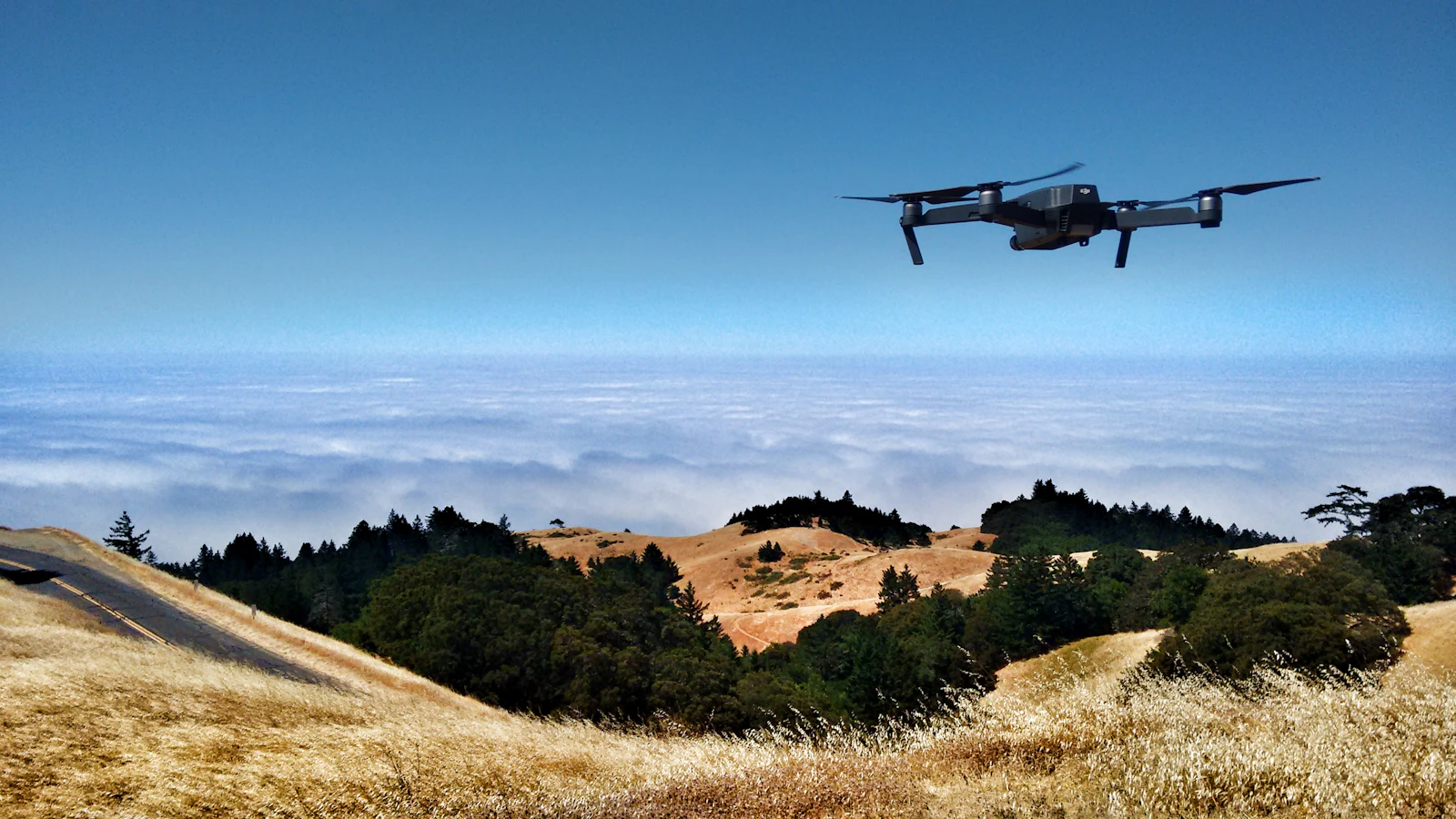
The introduction of fully integrated 360° camera drones has significantly transformed consumer drones. The Antigravity A1, launched by a subsidiary of Insta360, offers an accessible means for enthusiasts and amateur creators to capture immersive aerial footage without the complications of traditional setups.
Previously, capturing 360° imagery required bulky rigs or professional equipment, often leading to compromised performance. Today, thanks to advancements in drone technology, users can easily record stunning 8K HDR videos at 30 frames per second or 5.2K at 60 frames per second. The A1 package, priced at $1,279, includes a dedicated headset with high-resolution micro-OLED panels, providing an immersive viewing experience. The goggles receive a live feed from the drone, allowing users to explore captured footage in real time with head-tracking capabilities.
Features that Set Antigravity A1 Apart
The Antigravity A1 emphasizes ease of use, evident in its unique controller. Unlike traditional remote controls, this device allows users to steer the drone by simply pointing their arm in the desired direction, creating a more intuitive and engaging flying experience. This design aligns with the trend of gamifying technology, enabling users to visualize themselves within the flight. The drone even features the ability to overlay virtual objects onto a standard FPV view, adding a playful element to the flying experience.
However, the A1 has its limitations. It's designed for outdoor use in open spaces, which may restrict where enthusiasts can operate the drone. In contrast, DJI's recently launched Avata 360 provides a versatile option for those who already own DJI controllers. Priced just over $400, this drone offers 8K recording at 60 frames per second and features such as omnidirectional obstacle avoidance and prop guards for improved safety.
Comparing the A1 and DJI Avata 360
When examining specifications, the DJI Avata 360 reveals several advantages. It features a larger image sensor for better footage quality and supports traditional flying modes, allowing users to switch from a 360° mode to a single-lens setup, which may appeal to a wider audience. However, it weighs significantly more than the Antigravity A1, which could impact portability and FAA registration requirements.
While the DJI Avata 360 appears superior in many technical aspects, the Antigravity A1 shines in the VR experience it provides. The included headset offers a wider field of view than the goggles available for the Avata 360, enhancing immersion when viewing recorded footage. The A1's ability to deliver 8K playback, along with its lighter weight, makes it an attractive choice for those prioritizing immersive viewing experiences.
The Future of 360° Drone Photography
As the consumer drone market continues to innovate, the release of the Antigravity A1 and DJI Avata 360 marks a new chapter in aerial photography. These drones enable amateur creators to easily produce 360° videos, making this once-specialized field accessible to a broader audience. Early adopters are already sharing stunning visuals on platforms like YouTube and Vimeo, highlighting the creative potential of this technology.
The rising popularity of 360° filming indicates that this category will continue to grow, drawing in more users eager to explore its possibilities. As consumer demand increases, it will be intriguing to see how both Antigravity and DJI adapt their offerings to meet the needs of this expanding market. Aerial videography is evolving, and these drones are at the forefront of that change.
Quick answers
How does Antigravity A1 compare to DJI Avata 360?
The Antigravity A1 offers a unique VR experience with its included headset and intuitive controller, while the DJI Avata 360 provides superior technical features like better image quality and obstacle avoidance.
When is the Antigravity A1 available?
The Antigravity A1 is currently available for purchase at a price of $1,279.
Is the DJI Avata 360 a good option for beginners?
Yes, the DJI Avata 360 is priced lower and can be used with existing DJI controllers, making it accessible for those new to drone flying.

About the author
MJI Desk
MJI Desk covers consumer tech for MJI News.