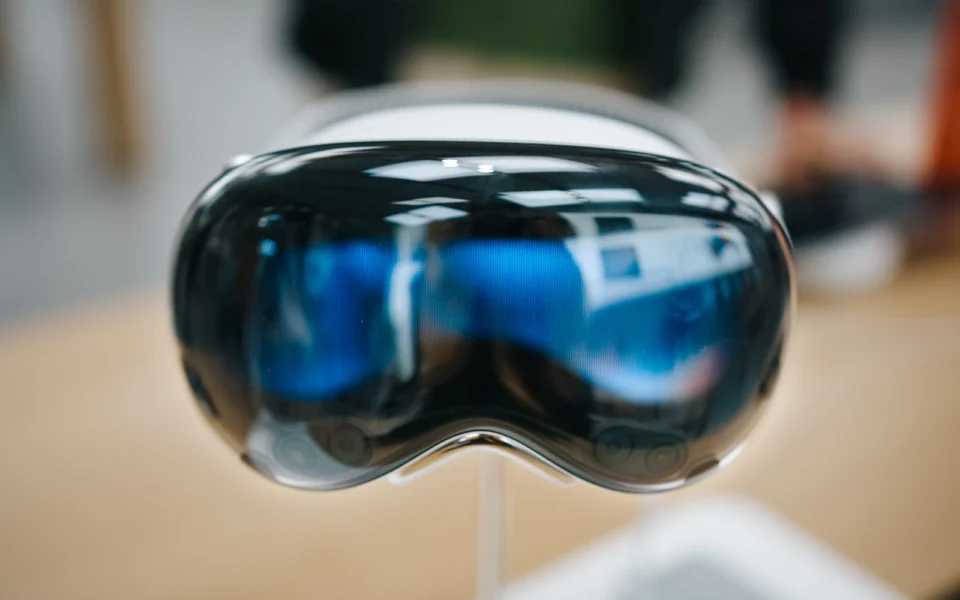
An investigation into Meta's smart glasses has been initiated by Texas Attorney General Ken Paxton, fueled by serious privacy concerns. The inquiry points to potential risks linked to the glasses, which come equipped with cameras and microphones. Paxton's office warns that these features could jeopardize the personal data of Texans, putting private recordings and even facial geometry at risk.
In response, Meta has pushed back, arguing that Paxton's claims misrepresent the thoroughness of its privacy and data management policies. The company asserts that it prioritizes user privacy and maintains transparency and responsibility in its data handling practices.
This scrutiny arrives as wearable technology is rapidly advancing and becoming more embedded in daily life. With the growing popularity of smart glasses, concerns about privacy and data security are increasingly at the forefront of consumer discussions and regulatory actions. Meta's smart glasses, which aim to integrate augmented reality features with everyday use, now face a legal examination.
Background on Smart Glasses and Privacy Issues
Smart glasses combine augmented reality with traditional functionalities, enabling users to take photos, record videos, and communicate hands-free. However, the inclusion of cameras and microphones raises critical questions about consent and the risk of unintentional data collection. Users may not always realize when they are being recorded, sparking debates about privacy rights in both public and private settings.
As these technologies evolve, regulatory bodies are beginning to scrutinize their impact on individual privacy more closely. Paxton's inquiry reflects a growing trend among states to examine tech companies more rigorously regarding user data protection. The implications of this investigation could set important precedents for how privacy laws are enforced in relation to emerging technologies.
Meta's Response and Future Implications
Meta's response to the investigation shows a commitment to defending its practices, but the inquiry's outcome may increase pressure on the company to amend its policies. If the investigation uncovers significant flaws in user data protection, it could trigger broader regulatory changes not only for Meta but across the tech industry.
As this situation develops, it highlights the need to balance technological innovation with user privacy. The results of Paxton's investigation are likely to impact consumer confidence in smart glasses and could shape future regulations surrounding wearable technology.
In an environment where privacy concerns are critical, both consumers and companies must navigate the complex relationship between technology and personal data security. The investigation into Meta's smart glasses may mark a significant turning point in establishing privacy standards for wearable tech.
Quick answers
What prompted the investigation into Meta’s smart glasses?
Texas Attorney General Ken Paxton cited privacy concerns regarding data exposure from the glasses.
How has Meta responded to the investigation?
Meta claims that Paxton's allegations do not reflect the full scope of its privacy and data policies.
What features of the smart glasses are under scrutiny?
The glasses include cameras and microphones, which could potentially compromise user privacy.
What are the broader implications of this investigation?
The inquiry may influence future regulations on privacy standards for wearable technology.

About the author
MJI Desk
MJI Desk covers consumer tech for MJI News.