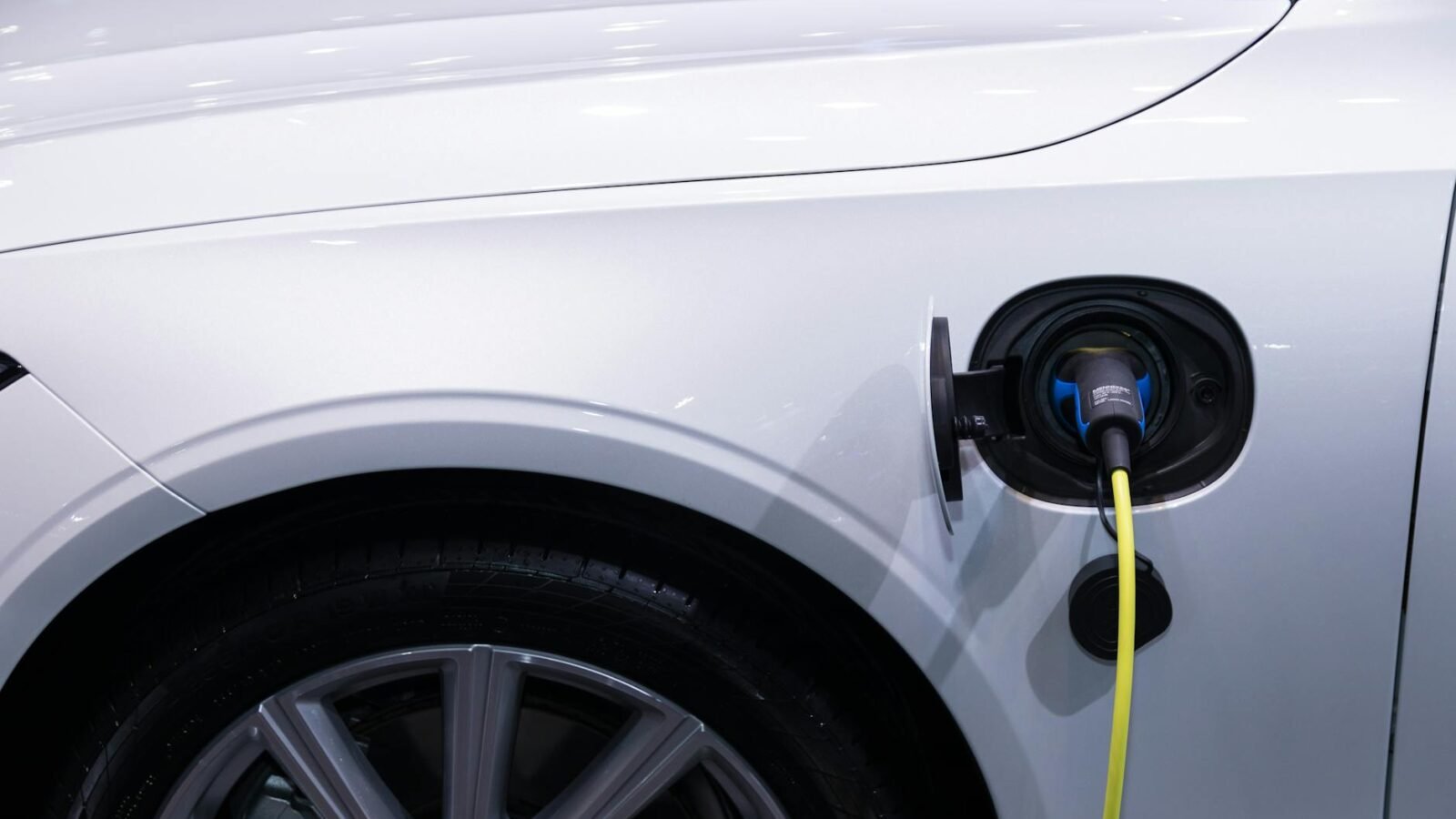
Chinese researchers have announced a significant breakthrough in solid-state battery technology, revealing that their new lithium-metal battery can charge in about three minutes while achieving an energy density of 451.5 Wh/kg. This development, published in the Journal of the American Chemical Society, could greatly influence the electric vehicle (EV) sector, especially as the industry seeks improvements in charging speed and efficiency.
The prototype battery can maintain stable performance through 700 charge cycles at a 20C charging rate, marking a significant milestone. Current mass-market electric vehicles from leading automakers, including Tesla, Ford, and Volkswagen, usually reach peak charging speeds of 150kW to 350kW, often taking 20 to 40 minutes to reach meaningful charge levels. In contrast, this new battery's ultra-fast charging feature may address one of the industry's longstanding issues: reducing charging times to match traditional refueling experiences.
China's advancements in battery technology are rapidly transforming the global market. Companies such as BYD, CATL, and Ganfeng Lithium are aggressively developing solid-state architectures, aiming to lead the market with improved energy densities and faster charging options. Recent findings from the Chinese Academy of Sciences indicate that these initiatives are progressing well and may soon produce products that could change consumer expectations.
In response to these developments, many Western manufacturers are strengthening partnerships with Chinese firms. For example, Stellantis has expanded its collaboration with Dongfeng Motor Corporation through a €1.17 billion agreement to enhance EV production and engineering. Volkswagen is also partnering with Chinese startups like Xpeng, illustrating a broader trend among global automakers to utilize China's advancements in battery technology.
However, the high energy density of these batteries brings safety concerns. The risk of thermal runaway in ultra-dense battery chemistries has already raised alarms, as evidenced by various high-profile EV fire incidents. As manufacturers strive to boost performance, ensuring robust safety protocols remains a critical challenge.
The successful commercialization of this new solid-state battery technology is crucial. If these batteries can be mass-produced and integrated into consumer vehicles by 2026 or 2028, they could not only transform the electric vehicle market but also change how consumers perceive charging. As competition intensifies, the race is on to determine which companies can safely and effectively bring these innovations to market while balancing speed, efficiency, and safety in the evolving EV sector.
Quick answers
How does this battery compare to current EV batteries?
The new solid-state battery claims a significantly higher energy density of 451.5 Wh/kg and can charge in about three minutes, outperforming most current EV batteries that require 20 to 40 minutes for a meaningful charge.
When could this technology be available for consumers?
If successful commercialization occurs, this technology could be integrated into consumer vehicles by 2026 or 2028.
What safety concerns are associated with high energy density batteries?
Higher energy density can lead to increased thermal risks, raising concerns about thermal runaway, which has been a factor in several EV fire incidents.

About the author
MJI Desk
MJI Desk covers consumer tech for MJI News.