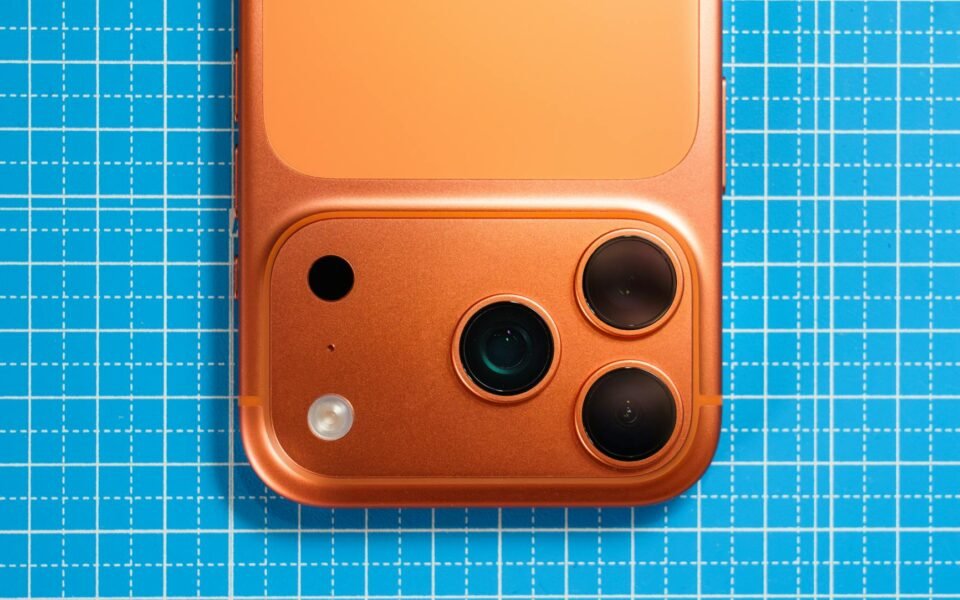
The iPhone 18 Pro Max is set to redefine mobile photography by integrating a mechanical iris, a move that highlights Apple’s strategic pivot from software-centric to hardware-centric camera enhancements. This shift promises improved light control and a fundamental change in smartphone photography, moving away from the computational techniques that have dominated the industry in recent years.
The Hardware Revolution
Historically, smartphone cameras have relied heavily on software innovations to improve image quality. Companies like Google have used computational photography to enhance modest sensor capabilities, while Samsung's AI has excelled in detail retrieval under low-light conditions. Apple's own Photonic Engine has made significant strides in post-capture processing, delivering impressive images. However, these advancements often acted as stopgaps rather than true solutions.
Leaked supply chain data reveals that Apple is making a bold move with the iPhone 18 Pro Max by incorporating physical aperture blades for its camera. This mechanical iris, produced by Sunny Optical, will enable photographers to control light in ways reminiscent of traditional photography techniques. This represents a significant departure from the fixed aperture systems seen in earlier iPhone models.
Technical Specifications and Features
The iPhone 18 Pro Max will feature a 2nm A20 Pro chip, expected to enhance efficiency by 30%, allowing for smooth integration of mechanical and computational processes. The device will also include under-display Face ID and a distinctive Dark Cherry finish, enhancing its aesthetic appeal. The anticipated aperture range of f/1.6 to f/22 is noteworthy, marking the first instance of optically controlled exposure in the Pro lineup. This could resolve overexposure issues and create more natural depth-of-field effects.
However, adopting mechanical solutions brings challenges, particularly regarding the reliability and repairability of moving parts. The number of blades in the iris, which affects bokeh quality, remains undisclosed, raising questions about user experience. Historical examples, such as Samsung's unsuccessful attempt to integrate a similar feature in the Galaxy S9, highlight the risks involved. While Samsung's diaphragm offered a range of f/1.4 to f/4.0, its implementation faced criticism for being overly complex and unreliable.
Looking Ahead
As Apple prepares for a September release, industry observers are keen to see if the company can navigate the challenges that hindered past efforts in this area. The mechanical iris could provide a transformative experience for photographers, as long as it delivers consistent results and withstands everyday use.
In a market that increasingly values aesthetic design alongside technical performance, the iPhone 18 Pro Max may set new standards for mobile photography. As competitors like Samsung and Google continue to innovate, the outcome of Apple's hardware-centric approach will be closely monitored, especially regarding its impact on the future of smartphone photography.
Quick answers
How does the iPhone 18 Pro Max’s camera compare to previous models?
The iPhone 18 Pro Max will feature a mechanical iris, a significant upgrade from the fixed aperture systems of previous models.
What is the expected release date for the iPhone 18 Pro Max?
The iPhone 18 Pro Max is expected to be announced in September 2024.
Will the mechanical iris improve photo quality?
Yes, the mechanical iris allows for better light control, which can enhance overall photo quality and reduce overexposure.

About the author
MJI Desk
MJI Desk covers consumer tech for MJI News.