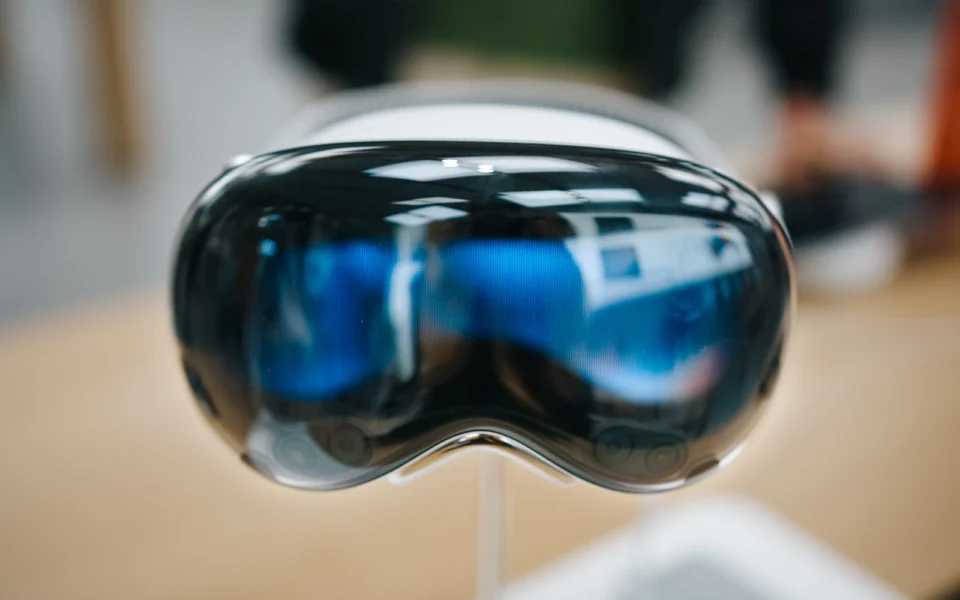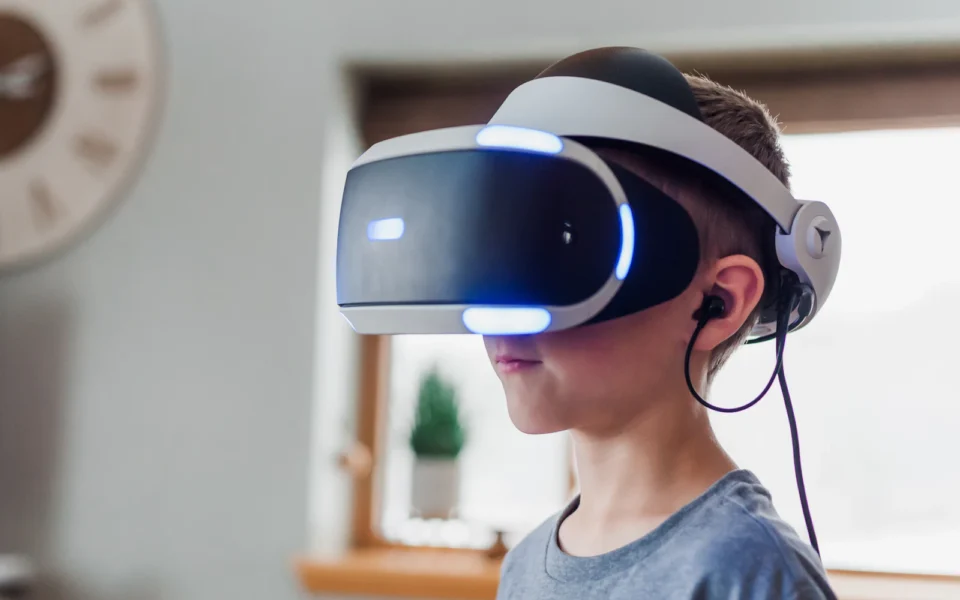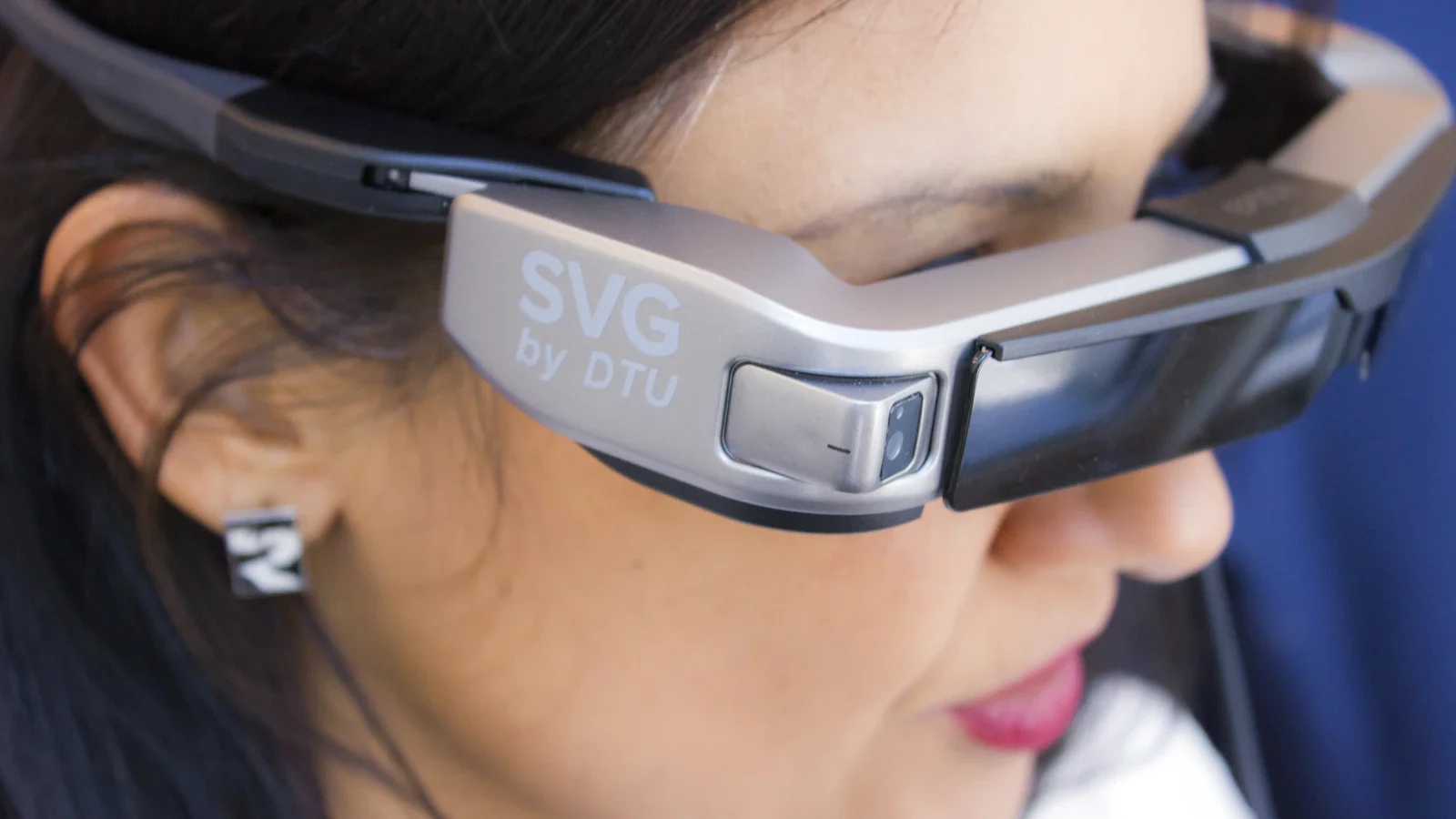
The rise of smart glasses as everyday devices poses significant privacy risks, according to France’s data protection authority, the CNIL. Unlike smartphones, which clearly indicate when they are recording, smart glasses can capture footage discreetly, turning casual interactions into potential breaches of privacy without consent. This development has prompted the CNIL to express serious concerns about the implications of such technology in public spaces.
Discreet Surveillance and Public Behavior
Smart glasses come with a variety of features that may seem harmless at first. Users can check the weather, translate text, take photographs, and interact with AI chatbots. However, the ability to record videos and analyze surroundings in real time introduces new privacy challenges. The CNIL argues that this capability can enable extensive surveillance in public, raising the possibility of self-censorship among those who feel they are under constant observation.
In its latest statement, the CNIL underscored the difference between smartphones and smart glasses: while it is obvious when someone is filming with a phone, this is not the case with smart glasses. This subtlety makes them particularly intrusive and raises ethical questions about consent and privacy in everyday life.
Regulatory Framework and Societal Implications
The CNIL emphasizes that the use of smart glasses falls under the General Data Protection Regulation (GDPR) and the Data Protection Act. However, the authority warns that these legal frameworks may not fully address the broader ethical and societal risks posed by such devices. "Their use is, in principle, subject to the GDPR and the Data Protection Act. Beyond this legal framework, these glasses raise broader risks for privacy, as well as important ethical and societal issues," the CNIL stated.
The potential for widespread surveillance could fundamentally change public behavior. Similar to concerns raised about surveillance cameras and biometric technologies, the prospect of being constantly recorded may hinder individuals’ freedom to express themselves in public. This reality could foster a culture of self-censorship, where people alter their behavior out of fear of being captured on video without their knowledge.
Calls for Enhanced Safeguards
In light of these risks, the CNIL is advocating for increased collective vigilance. While recognizing the benefits of smart glasses for users, particularly those with disabilities, the authority insists that innovation should not infringe upon individual rights and freedoms. The CNIL calls for a better balance between technological advancement and respect for personal liberties.
"It is necessary to preserve a balance between innovation and respect for freedoms, between technical curiosity and consideration of others," the authority noted. This highlights the importance of addressing privacy concerns as smart glasses become more prevalent in the market.
To mitigate the risks associated with smart glasses, the CNIL demands greater transparency regarding how data is collected, stored, and used. Clearly defined regulations are essential to ensure that the deployment of such devices does not violate individuals' privacy rights. The stakes are high, as the future of personal privacy in a technology-driven world hangs in the balance.
Quick answers
What are the main concerns about smart glasses?
The CNIL is worried about privacy risks, potential surveillance, and the impact on public behavior.
How does the use of smart glasses compare to smartphones?
Unlike smartphones, smart glasses can record discreetly, making it harder for individuals to know when they are being filmed.
What regulations apply to smart glasses?
Smart glasses are subject to the GDPR and the Data Protection Act, but the CNIL calls for broader safeguards and transparency.

About the author
MJI Desk
MJI Desk covers consumer tech for MJI News.