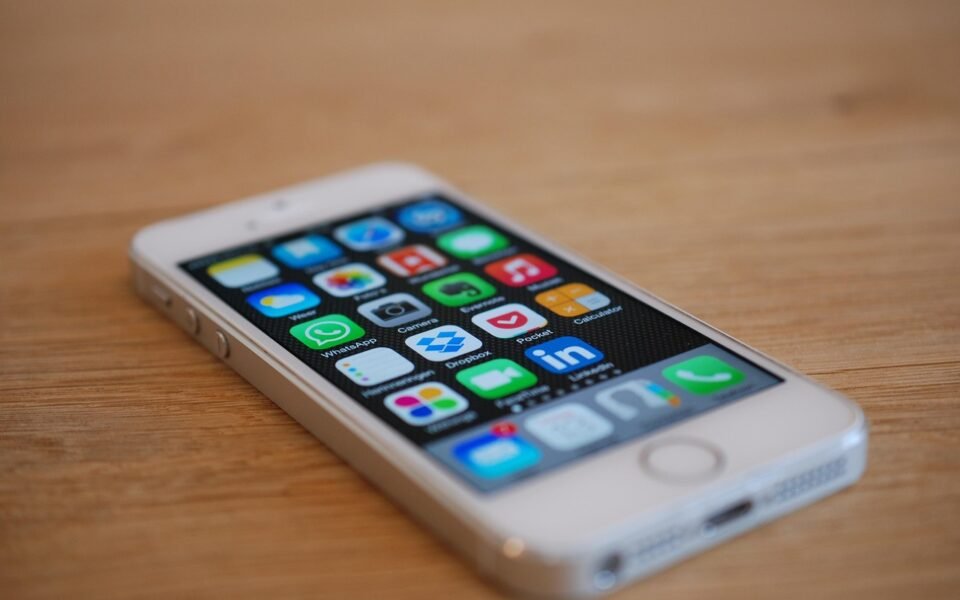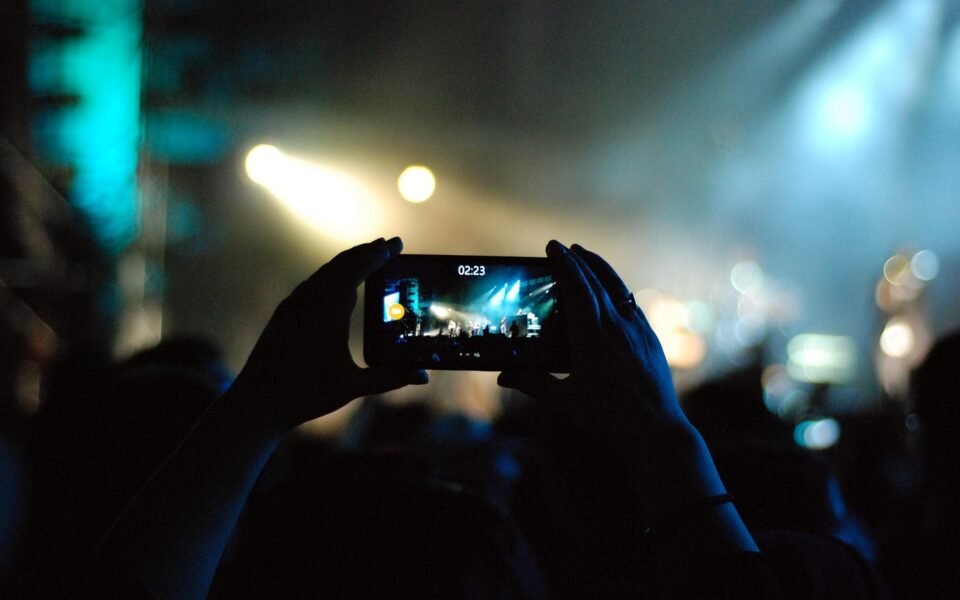
In a landmark achievement for mobile technology, the iPhone 17 Pro has been used to broadcast an entire Major League Soccer match, marking a first in smartphone-based sports broadcasting. This event occurred during a match between LA Galaxy and Houston Dynamo FC at Dignity Health Sports Park in California, as Apple demonstrated the device's potential beyond a typical consumer smartphone.
The production involved strategically placing multiple iPhone 17 Pro units around the stadium to capture various aspects of the match, including player warm-ups, entrance moments, crowd reactions, and unique in-net views of goals. The compact size of the smartphones allowed for camera placements in areas that would typically be impractical for traditional broadcasting equipment, creating a more immersive viewing experience for audiences tuning in via Apple TV.
This initiative is part of Apple's broader strategy to position the iPhone as a legitimate tool for professional broadcasting. The company has gradually incorporated iPhones into live sports production, starting with the 2025 edition of "Friday Night Baseball," where the iPhone 17 Pro filmed cinematic footage and selected live sequences. The success of this approach garnered attention, leading to the National Baseball Hall of Fame and Museum including one of the used devices in its permanent collection.
Setting New Standards for Sports Broadcasting
Apple's recent venture into live sports production reflects its ambition to expand the iPhone's role beyond consumer photography and videography. The iPhone 17 Pro features three 48MP Fusion cameras, alongside advanced video tools such as Apple Log 2, which cater to professional filmmakers and content creators. This technological advancement is significant as streaming platforms compete for sports broadcasting rights and seek innovative methods to enhance live viewing experiences.
Audience feedback from previous productions has been overwhelmingly positive, prompting Apple to extend iPhone-based filming into other sports, including regular coverage for MLS and baseball throughout 2026. This move comes at a time when competition among streaming services is intensifying, especially with major events like the FIFA World Cup 2026 on the horizon. As audiences demand more engaging and diverse viewing experiences, Apple's strategy could set a new benchmark in live sports broadcasting.
The Future of Smartphone Filming
The successful execution of a live MLS match entirely through the iPhone 17 Pro raises intriguing possibilities for the future of mobile technology in professional sports. As Apple continues to innovate and push the boundaries of what a smartphone can achieve, the implications for broadcasting and content creation are profound. Other companies within the industry will likely take note, as the demand for unique and immersive content grows.
The iPhone 17 Pro's foray into live sports broadcasting not only highlights the device's capabilities but also redefines the potential of smartphones in professional environments. As technology evolves and the market for streaming services expands, the iPhone could play a key role in shaping how sports are filmed and experienced by audiences worldwide.
Quick answers
How does the iPhone 17 Pro compare to traditional broadcasting equipment?
The iPhone 17 Pro's compact size allows for unique camera placements that traditional equipment cannot achieve, offering more immersive angles.
When was the live MLS match filmed?
The match was broadcast live on May 25, 2026.
What features of the iPhone 17 Pro were utilized in the broadcast?
The broadcast utilized the iPhone 17 Pro's three 48MP Fusion cameras and advanced video tools like Apple Log 2.

About the author
MJI Desk
MJI Desk covers consumer tech for MJI News.