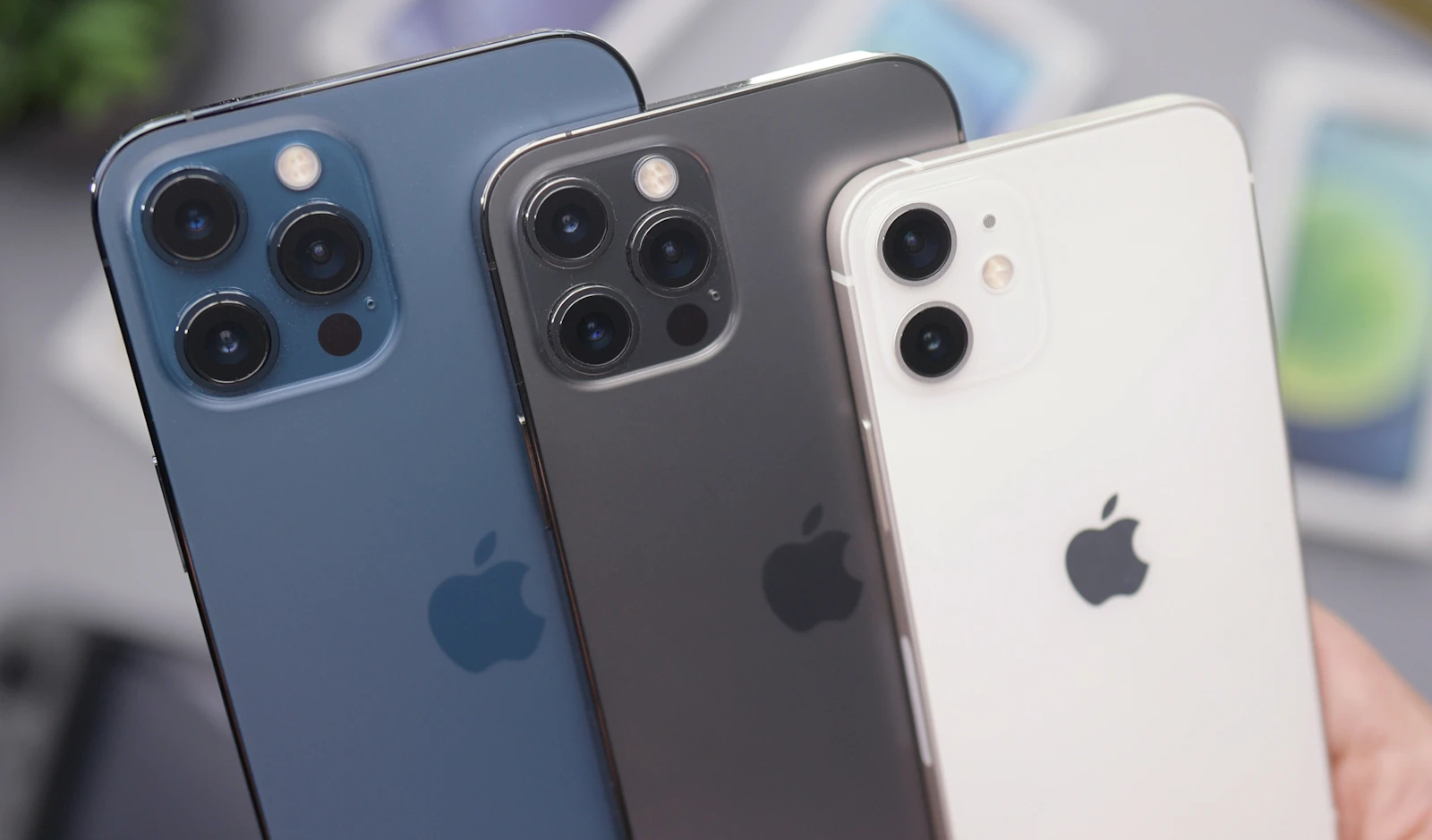
The ongoing evolution of Apple's iPhone design continues to intrigue industry watchers, especially with recent claims from Weibo leaker Instant Digital suggesting a potential shift back to titanium for future models. This follows last year's controversial decision to switch from titanium to aluminum in the iPhone 17 Pro, which Apple justified as necessary for improved heat dissipation.
In 2023, Apple prominently featured titanium in the design of its iPhone Pro models, marketing it as a premium material. However, the iPhone 17 Pro's transition back to aluminum raised concerns about the durability and performance of titanium alloys in everyday use. According to Instant Digital, Apple is exploring new formulations of titanium that could enhance thermal conductivity while keeping the material lightweight.
Titanium's Challenges and Future Potential
The leaker emphasized that Apple's interest in titanium remains strong, despite the recent compromise. The goal is to develop an improved version of the metal that addresses its known limitations, particularly regarding heat management, which is essential for high-performance devices. Insights from Instant Digital suggest that the company is actively researching ways to refine titanium alloys, which could lead to a more suitable option for future iPhones.
One intriguing possibility mentioned is the use of liquid metal, which could be integrated into the iPhone Ultra’s hinge design. However, the complexity of mass-producing such a material presents significant challenges. As a more viable alternative, enhanced titanium might be reintroduced, allowing Apple to leverage its durability advantages without sacrificing thermal efficiency.
Current Use of Titanium in Apple's Product Line
Currently, titanium is used in the iPhone Air and is expected to feature in the upcoming iPhone Ultra, reinforcing its reputation for strength and lightweight qualities. The return of titanium could also depend on advancements in Apple's vapor chamber technology, which aims to improve heat dissipation. If successful, these innovations might enable the reintroduction of titanium in the Pro models without significant drawbacks.
Although Apple has chosen aluminum for the iPhone 17 Pro, the renewed focus on titanium demonstrates the company's commitment to balancing aesthetics, performance, and durability. Industry insiders and consumers alike are eager for further developments, especially as Apple continues to refine its approach to high-end smartphone design.
As Apple navigates these potential changes, it remains to be seen whether consumers will welcome a return to titanium or adapt to the aluminum offerings. Feedback from users will likely influence future decisions regarding materials and design philosophies in upcoming iPhone iterations.
Quick answers
How does titanium compare to aluminum in smartphones?
Titanium offers greater durability and strength but has poorer thermal conductivity compared to aluminum, which is why Apple switched back to aluminum in the iPhone 17 Pro.
When can we expect the next iPhone model with titanium?
While specific release dates are not confirmed, speculation suggests that future models, potentially including the iPhone Ultra, may return to titanium if the new formulation proves effective.
Is the use of liquid metal feasible for future iPhones?
Liquid metal presents production challenges, making it a less certain option. However, Apple is exploring its possibilities for integration, particularly in hinge designs.

About the author
MJI Desk
MJI Desk covers consumer tech for MJI News.