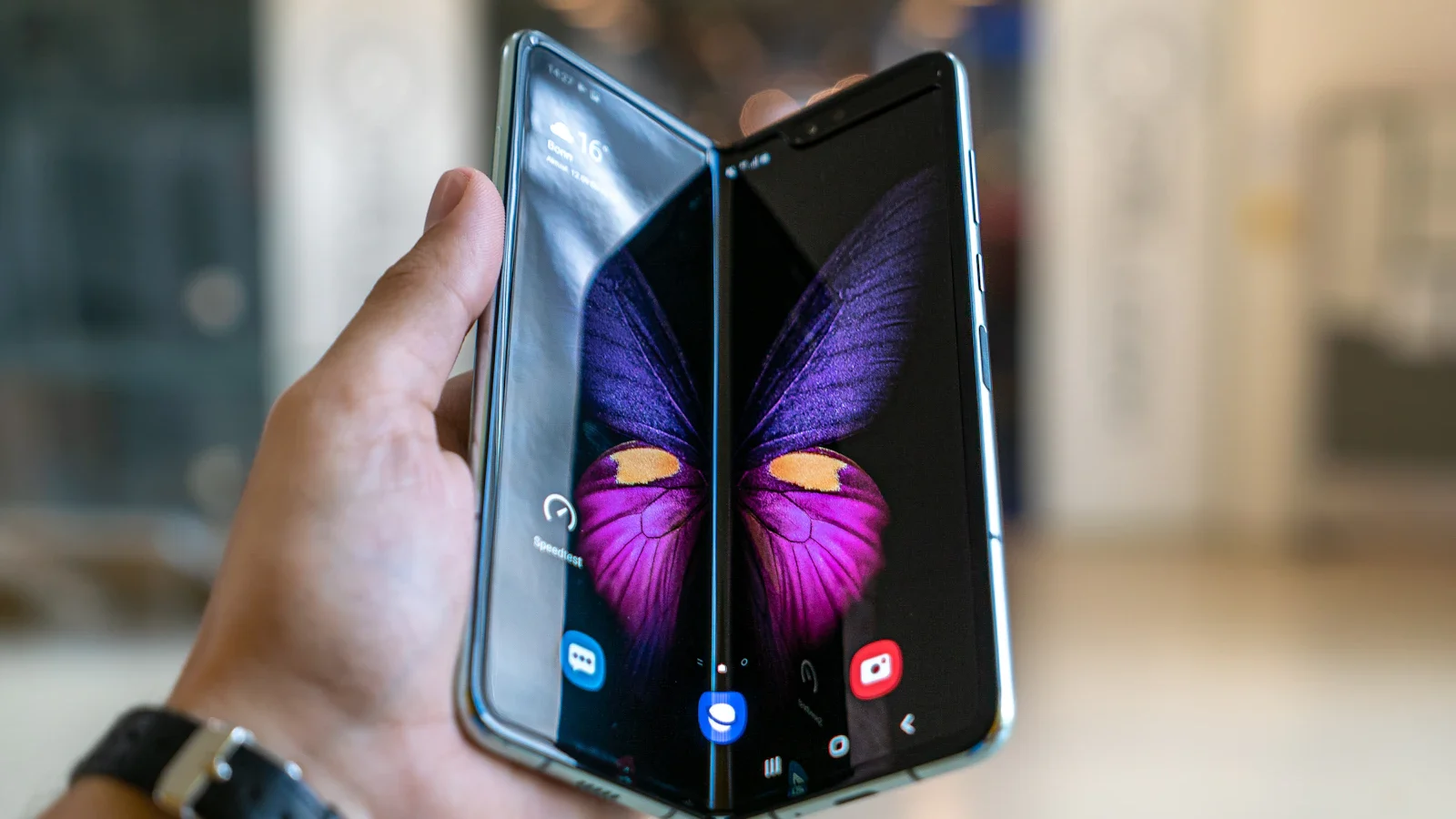
Samsung is reportedly advancing its smartphone design with a new hybrid frame that combines titanium and aluminum, aimed at improving durability and thermal performance. This innovative 'dual-phase' structure integrates an outer titanium layer with an inner Aero-grade aluminum core, offering a strong alternative to Apple’s Liquidmetal technology.
The Dual-Phase Advantage
Insights from the tipster Schrödinger on Telegram indicate that the upcoming dual-phase frame will provide superior rigidity and effective thermal management. The titanium exterior is designed for scratch resistance, similar to jewelry-grade materials, while the aluminum core boasts high thermal conductivity. This combination enhances the device's durability and allows for efficient heat dissipation, which is essential for high-performance smartphones.
This metallurgical approach reflects Samsung's strategy to streamline the manufacturing process while competing with Apple's more complex Liquidmetal innovations. Liquidmetal, an amorphous alloy, is known for its impressive strength—1.5 times harder than stainless steel and 2.5 times stronger than standard titanium. Apple plans to use this material in its upcoming iPhone Ultra, particularly in components like hinges, targeting its premium user base.
A Response to Market Innovations
Samsung’s timing appears to be a direct response to the excitement surrounding Apple's advancements in smartphone materials. With the growing trend for premium devices that emphasize durability and performance, Samsung's hybrid frame is likely to debut in its future Fold, Trifold, and other high-end models. The costs associated with fusing these two metals through nano molding are significant, suggesting that such innovations will be limited to the upper tier of Samsung’s lineup.
The implications of this development go beyond aesthetics; it positions Samsung to compete more aggressively in the premium smartphone market. As both companies invest in costly materials, their rivalry is set to intensify, aiming to attract tech-savvy consumers who prioritize durability and performance.
Future Prospects
As Samsung prepares to introduce this dual-phase design, the market will be watching closely. The expected release of these foldables could redefine user expectations around smartphone durability and thermal management. Samsung's use of advanced materials not only signals its commitment to innovation but also highlights the competitive landscape, where each advancement can significantly influence consumer preferences.
In a market where premium features often drive purchasing decisions, the outcome of this material competition between Samsung and Apple could have lasting effects on brand loyalty and product development strategies. With the potential for enhanced user experiences, such innovations may establish new benchmarks for consumer expectations in their devices.
Quick answers
How does Samsung’s new frame compare to Apple’s Liquidmetal?
Samsung's hybrid frame combines titanium and aluminum for durability and heat management, while Apple's Liquidmetal offers superior strength and flexibility.
When can we expect to see Samsung’s dual-phase frame in devices?
The dual-phase frame is likely to debut in future models such as the Fold and Trifold.
Is it worth upgrading from previous Samsung foldables?
Upgrading could be beneficial if durability and thermal performance are priorities, especially with the new materials used.

About the author
MJI Desk
MJI Desk covers consumer tech for MJI News.